
La Boca history begins at the river mouth
La Boca history connects a former natural harbour with immigration, shared housing and the transformation of a neglected railway alignment into Caminito. The neighbourhood lies in Buenos Aires, in Comuna 4, on the Riachuelo near its mouth towards the Río de la Plata. That river setting explains its name and gives a useful starting point for looking beyond the familiar painted façades. A historical visit asks how the waterfront, the houses and the cultural institutions relate to one another.
The area is associated by many historians with Pedro de Mendoza’s foundation of Buenos Aires in 1536. Treat that as a historical attribution rather than an established exact site. For a walk through the present neighbourhood, the stronger thread is the connection between the old port, late nineteenth-century immigration and the housing forms that remain part of its identity. It is this combination that gives a guided neighbourhood visit its historical interest.
Our picks: La Boca history
A neighbourhood walk offers a guided introduction. For a broader route, the San Telmo walk includes immigrant housing and black history.
Hand-picked tours, booked through GetYourGuide and Viator. Prices are indicative starting prices in US dollars (as of November 2026). Tap a tour for live availability and the current price in your currency.
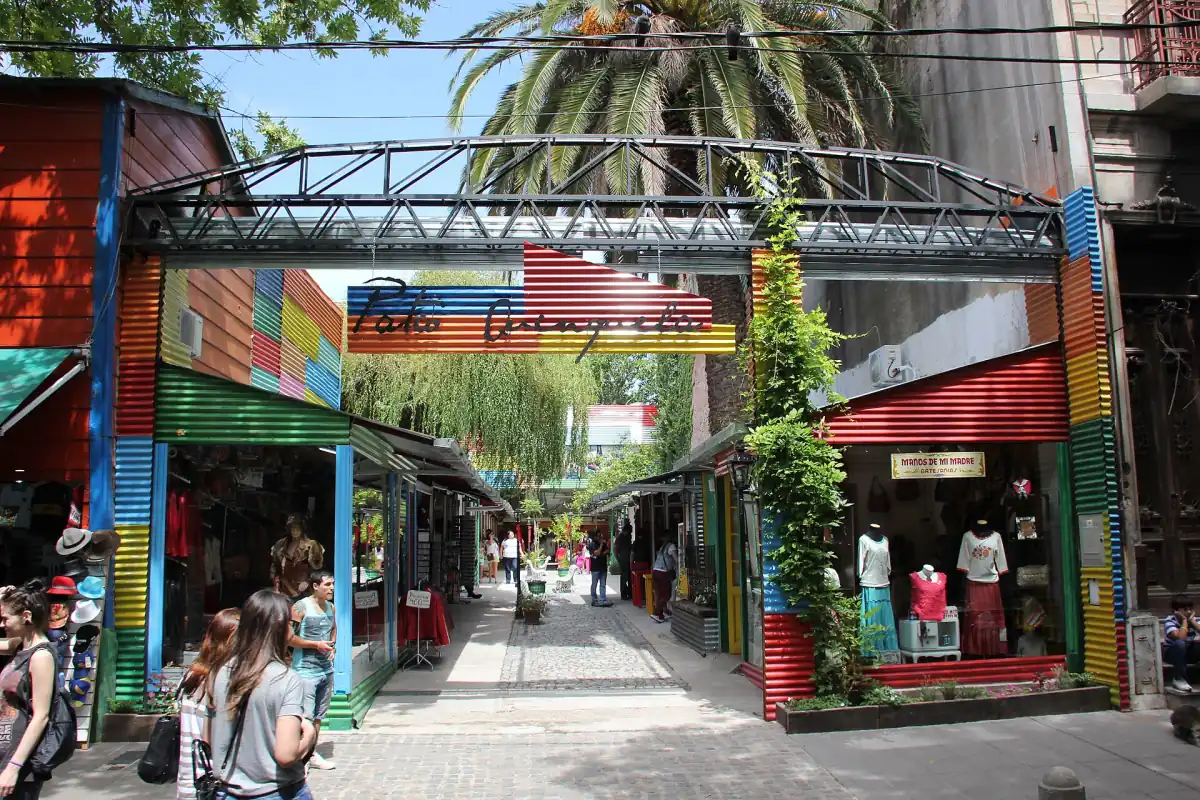
San Telmo and La Boca history walk
- Mate tasting
- Old immigrant communal housing
- Black history and culture
The route includes San Telmo market and La Boca, with a view of the stadium from outside. Stadium entry is separate.
Check availability →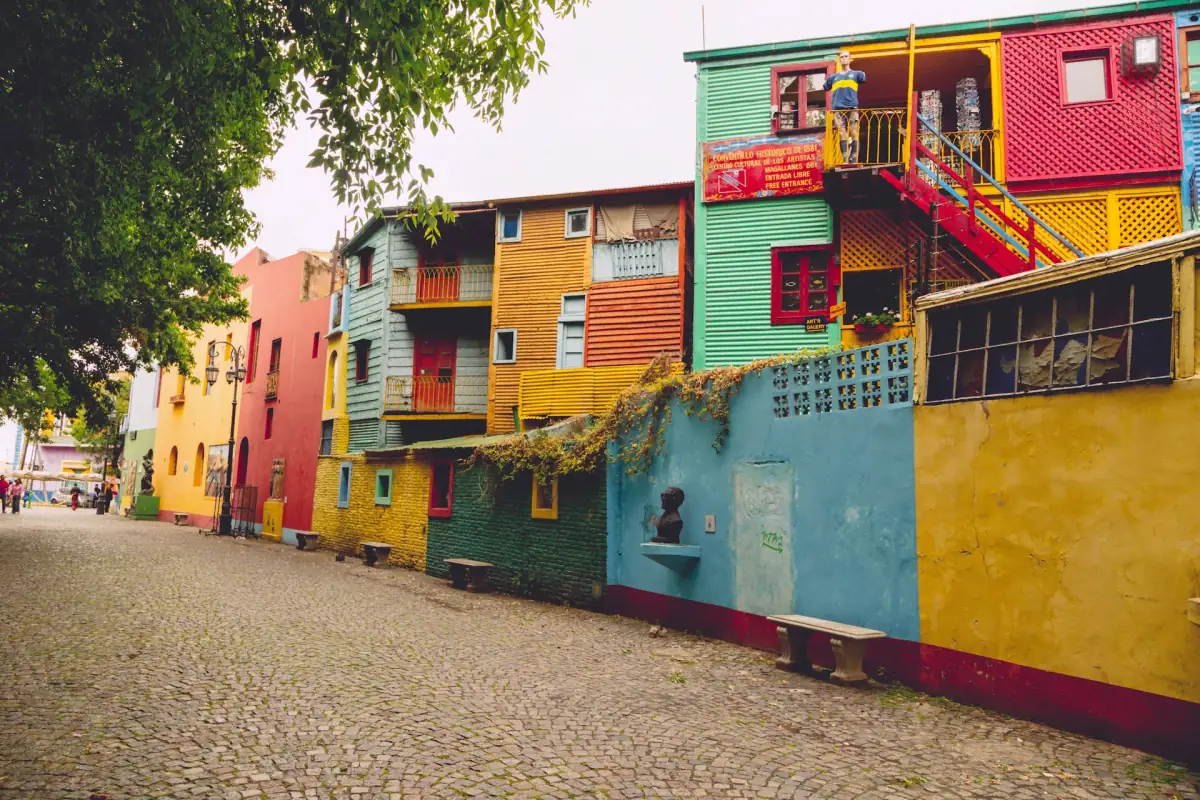
Guided walk through La Boca
- Guided walking tour
- Two-hour guided walk
A walking tour with a guide through the neighbourhood. Stadium admission is separate.
Check availability →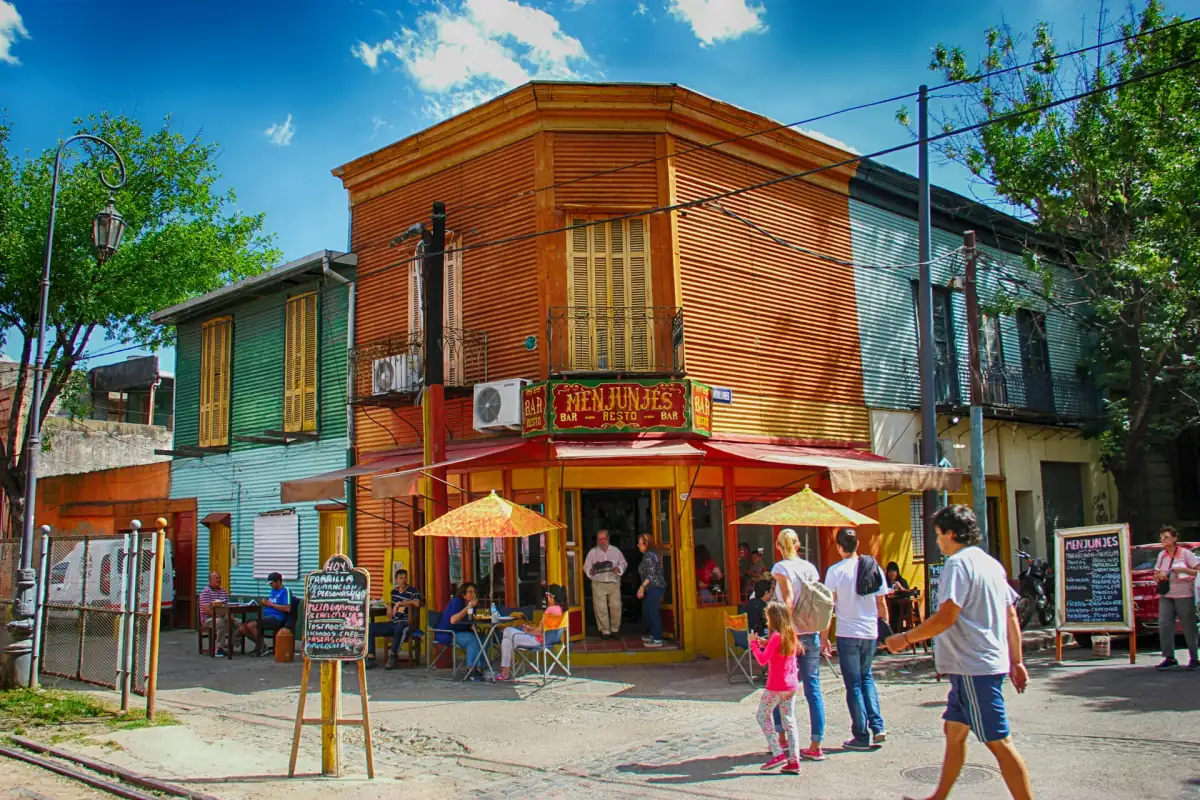
La Boca history walk with qualified guide
- University degree guide
- University-qualified guide
Meet your qualified guide by Lezama Park for the walk.
Check availability →Guided visits through La Boca’s past
Explore port and immigrant neighbourhood themes through a local small-group walk, the San Telmo combination or a walk with a university-qualified guide.
The Riachuelo as a former port
The Riachuelo mouth served as an early natural harbour for Buenos Aires. Shallow water, sandbanks and changing water levels help explain why port activity later moved north. Read the riverside as part of the district’s urban development, rather than as scenery separate from the streets. The port setting gives context to the neighbourhood’s immigration story and to its long association with work beside the water.
This perspective is useful even if your route concentrates on Caminito. The short Calle Museo is a later cultural intervention within a much broader neighbourhood. Starting with the waterfront story avoids treating all of La Boca as one deliberately painted attraction. Its streets combine an older residential history with the artistic identity visitors now associate with the district.
Genoese immigration, communal housing and architecture
In the late nineteenth century, an Italian community with a strong Genoese character helped shape La Boca. Other European immigrant groups also became part of its population. That history should not reduce the neighbourhood to a single origin. The combined San Telmo and La Boca walk explicitly includes black history and culture in Buenos Aires, bringing another dimension into a visit that might otherwise focus only on the most familiar immigration narrative.
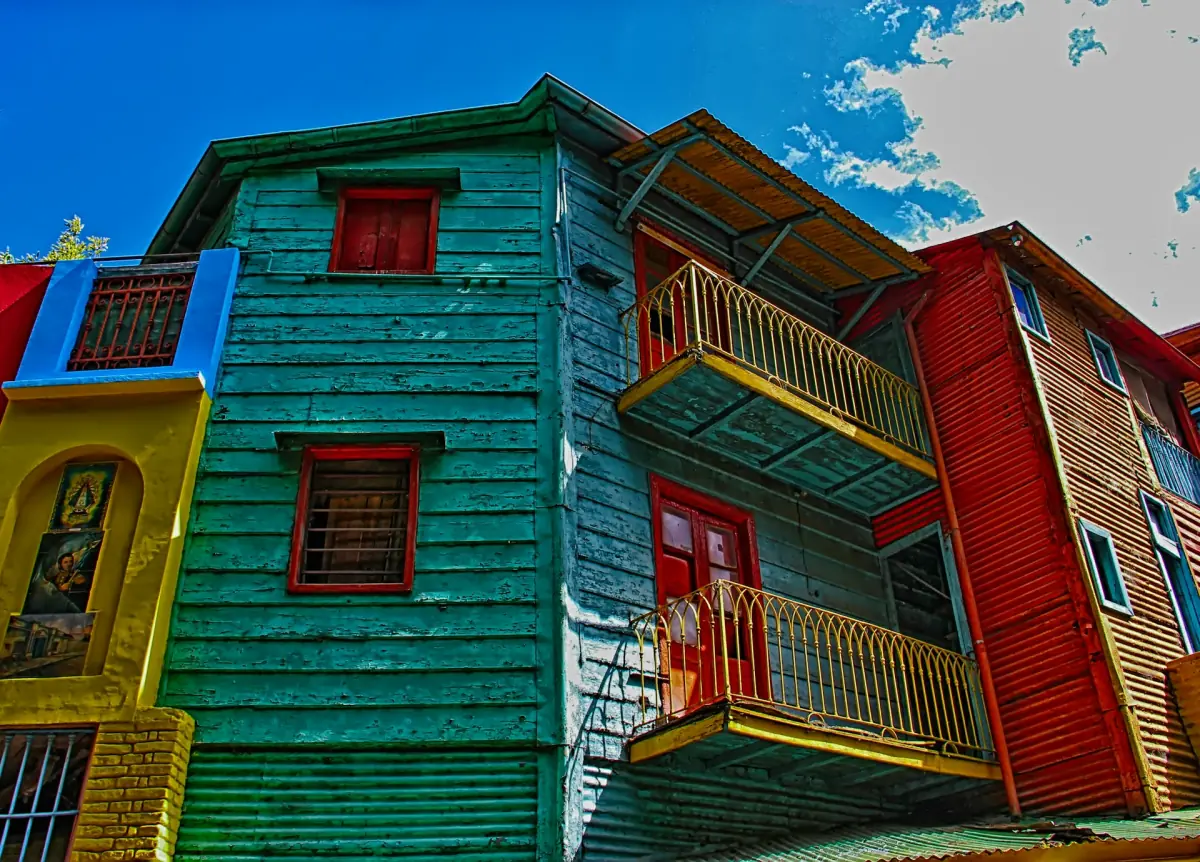
Wood, corrugated metal, iron balconies and colourful façades are characteristic building elements. The conventillos, or communal houses, link the streetscape to shared forms of living. Look at the materials and balconies as well as the paint. Their interest lies in the relationship between architecture and neighbourhood life, not simply in the number of colours visible in a photograph.
The explanation that leftover ship paint contributed to the colours is part of the city’s account of the neighbourhood. It should not become a claim about the individual history of every house. For the visitor, the practical distinction is between understanding the broader building tradition and treating a particular façade as proof of one colourful origin story. Architecture belongs within this historical walk; the visits here are general neighbourhood tours rather than specialist architectural surveys.
Caminito and Quinquela Martín
Caminito occupies a former railway alignment. In 1950, neighbours and Benito Quinquela Martín began reclaiming the neglected space; the Calle Museo was inaugurated on 18 October 1959. Its just-under-150-metre length makes it a compact part of the visit. The transformation itself is the historical point: the street became a cultural setting through the work of people connected to the neighbourhood.
Quinquela named the street after the tango Caminito of 1926. The song’s lyrics refer to a path near Olta in La Rioja, so its name should not be read as a literal description of this Buenos Aires street. For a closer look at the street and nearby institutions, use the Caminito and art guide. A street walk and an indoor art visit are separate plans.
The Museo Benito Quinquela Martín at Av. Don Pedro de Mendoza 1835 brings the artist’s collection, house and educational work into the neighbourhood story. Fundación PROA is a different art institution nearby. Choose an indoor visit for its own collection or programme and opening arrangements, rather than assuming that a general historical walk includes either museum.
Historical neighbourhood walks: what each offers
The two-hour small-group walk begins at the Benito Quinquela Martín sculpture on Av. Don Pedro de Mendoza. It offers a general guided introduction to La Boca and Caminito, with stadium admission separate. It fits a visit centred on the district, leaving art collections or football interiors as their own choices. For the stadium’s separate arrangements, see museum and stadium visits.
The four-hour walk from San Telmo includes old communal immigrant housing, black history and culture, the market, Dorrego Square, Defensa Street, Caminito and mate tasting. The stadium is seen from outside. This is the most explicit combination of historical subjects among these routes, and it connects two distinct neighbourhoods rather than presenting San Telmo as part of La Boca.
The walk with a university-qualified guide starts by the Monument to Argentine-Uruguayan Cordiality near Parque Lezama and lasts 130 minutes. It is another guided neighbourhood visit, with the guide’s qualification as its stated included service. Plan museum or archive visits independently of that walk. The route comparison helps with broader city itineraries, while arrival information helps you reach the different meeting areas.
History visit questions
Why is the neighbourhood called La Boca?
Its name relates to its location at the Riachuelo river mouth. The waterfront was part of the city’s early natural harbour setting.
When did Caminito become the Calle Museo?
Neighbours and Quinquela began reclaiming the space in 1950. Its official inauguration was on 18 October 1959.
Does the tango describe this street?
The street took its name from the 1926 tango, whose lyrics refer to a path near Olta in La Rioja.
Which walk includes communal housing and black history?
The four-hour San Telmo and La Boca combination explicitly includes these subjects, alongside mate tasting and visits to the market and Caminito.